Omron Plc Brand Logo
PLC engineering for connected production

Omron Plc control architectures built around real machine signals

Connect CPUs, distributed I/O, motion, safety and plant data without losing sight of scan time, protocol boundaries or service access.

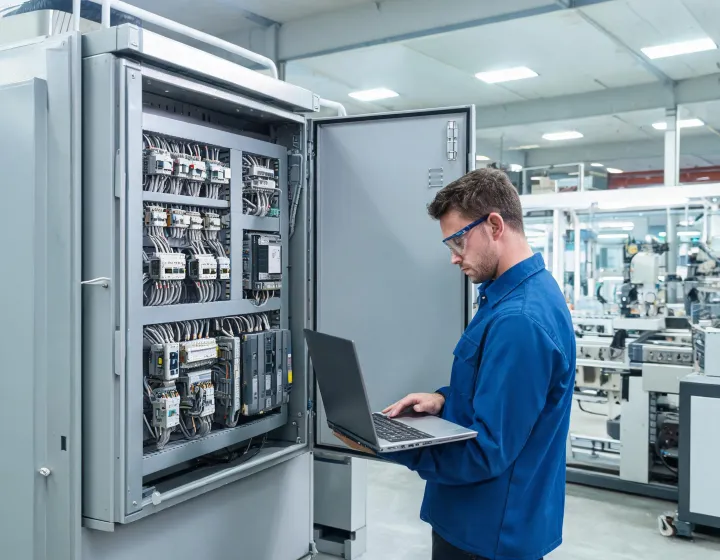
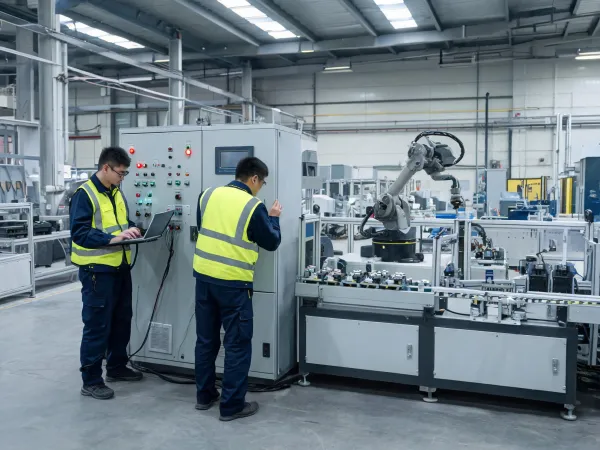
Omron PLC cabinet commissioning beside an automated production cell
24 V DCtypical control supply reference
1 msapplication cycle target to verify
3 NetworksEtherNet/IP, EtherCAT, serial options
IP20–IP67installation class depends on device
Control building blocks

Configure the controller around the machine

Start with task timing, I/O topology and required interoperability, then evaluate the complete bill of materials rather than a CPU in isolation.

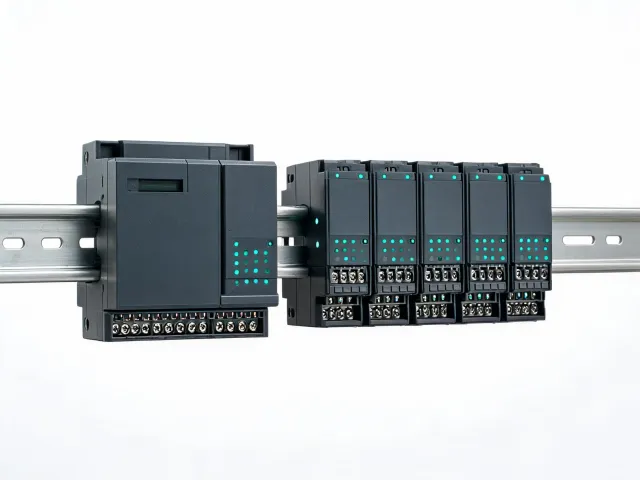
Modular PLC CPU and I/O rack

Modular PLC Platforms

Scale local and remote I/O while documenting power budget, expansion limits and network loading.

Review platforms →
Compact controller for a machine panel

Compact Machine Control

Coordinate discrete logic, analog signals and pulse outputs where panel area and commissioning time matter.

Compare controllers →

Remote industrial I/O network

Distributed I/O

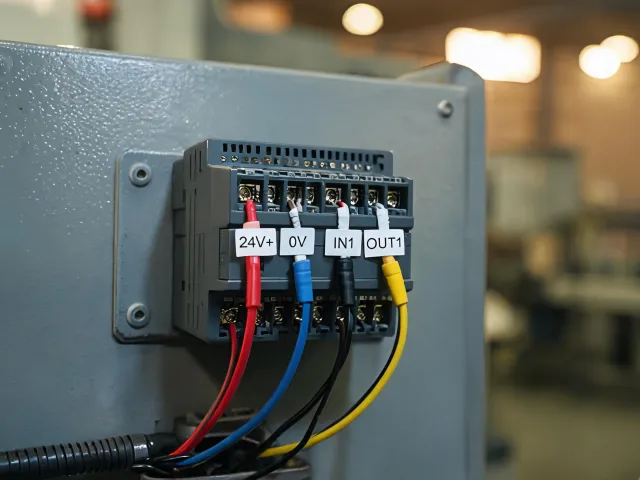
Place signals near field devices while planning update rates, cable routes and fault-isolation boundaries.

Map the I/O layer →
Application environments

Automation decisions change with the process

OEM machine control cell

OEM Machinery

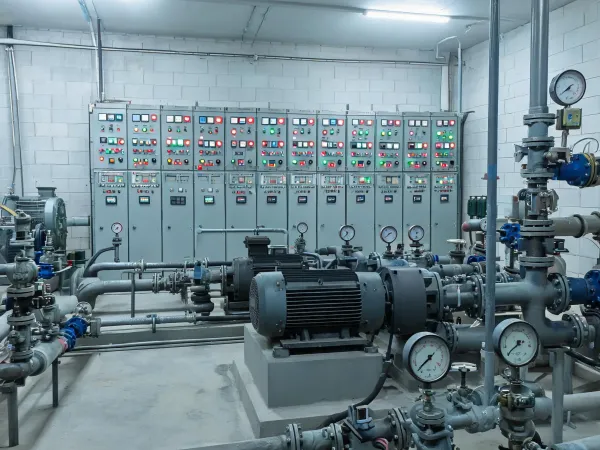
Water treatment control room

Water Treatment

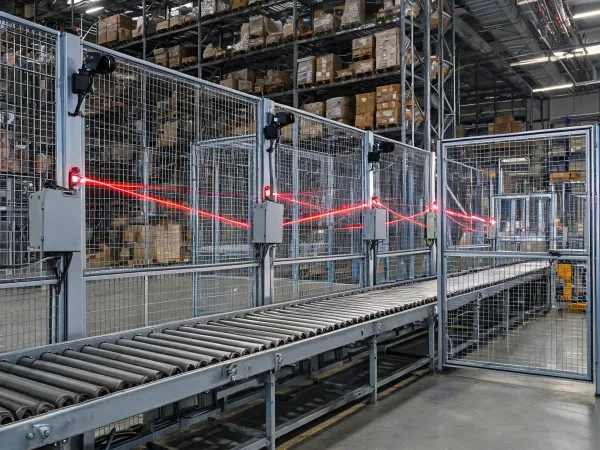
Automated material handling system

Material Handling

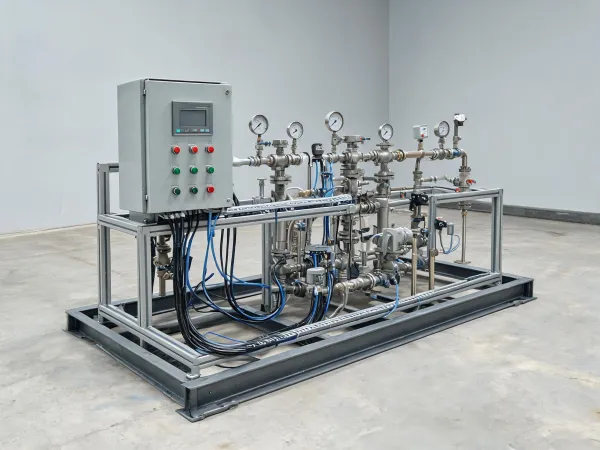
Process manufacturing automation

Process Manufacturing

Design input

Bring the signal list, cycle target and network constraints

Our review frames controller capacity, remote I/O, protocol gateways, environmental limits and commissioning evidence before a quotation is assembled.

  • CPU and memory sizing assumptions
  • Network and device compatibility checks
  • Panel environment and lifecycle considerations

Submitting this form confirms acceptance of our Privacy Policy.